
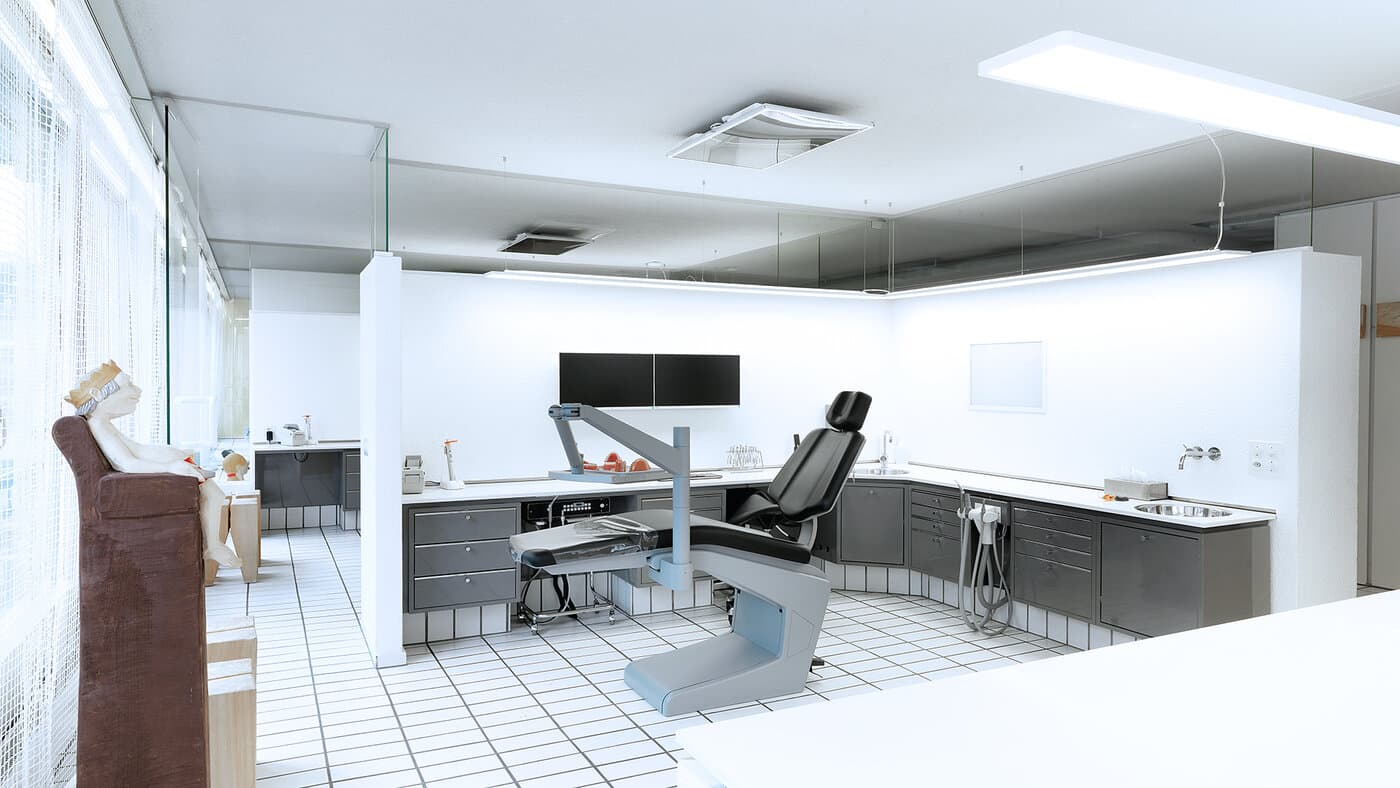
The classic fixed appliance remains the most precise method in orthodontics — today more modern and more discreet than ever.
Fixed orthodontic appliances consist of brackets that are bonded to the teeth and connected by an archwire. We offer metal and ceramic brackets, as well as the nearly invisible lingual technique, where the brackets are placed on the inside of the teeth.
Even complex misalignments can be corrected predictably.
Active 24/7 — no wear discipline required.
Ceramic brackets and the lingual technique for discerning adults.
Is this the right
method for you?
- 01Teenagers with pronounced misalignments
- 02Adults with complex orthodontic findings
- 03Patients who want maximum predictability
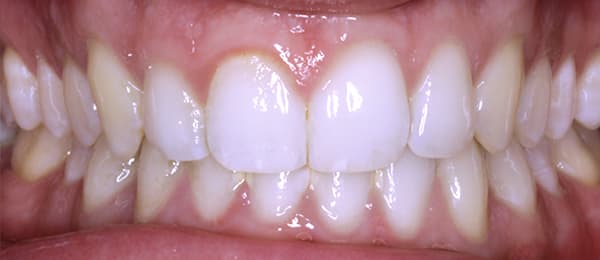
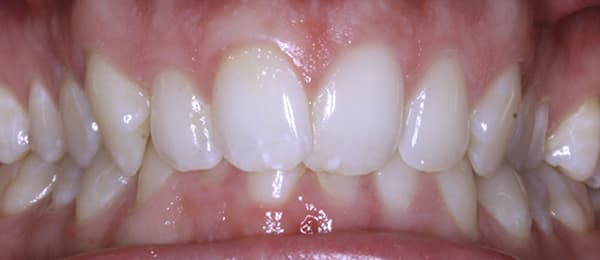
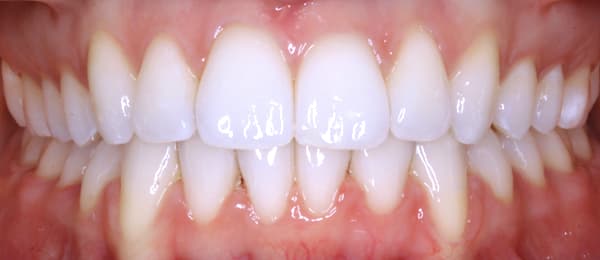
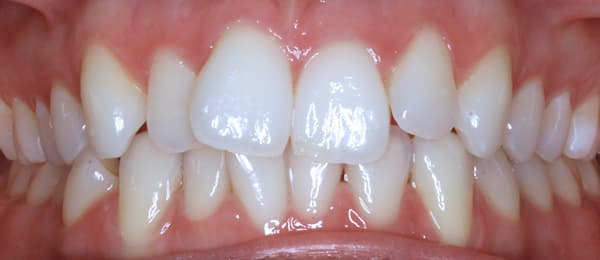
Before.
After.
Move the slider — and see the change.
Frequently
asked.
How long does treatment take?
Usually between 12 and 24 months — depending on the starting position.
Are the brackets visible?
Metal brackets are small and unobtrusive. Ceramic brackets adapt to your tooth colour. Lingual brackets are not visible from the outside.
Does health insurance cover the cost?
In some cases, basic health insurance may contribute to the costs. However, the costs are mainly covered by supplementary insurance. We recommend checking this directly with your insurance provider in advance.
Does fitting or adjusting the braces hurt?
Treatment at our practice is pain-free. You may only notice a slight feeling of pressure during the first few days and for around 2 to 3 days after each appointment.
How often are follow-up appointments scheduled?
Follow-up appointments are usually scheduled every 4 weeks.
What can I eat with braces, and what should I avoid?
Hard, sticky, or very chewy foods (such as caramel, whole nuts, or hard bread) should be avoided, as they can damage the brackets or wires. Softer foods are generally not a problem.
How do I properly clean my teeth with fixed braces?
When your braces are fitted, we will show you exactly which tools are most suitable, such as interdental brushes and special toothbrushes, and explain what you should pay particular attention to.
What should I do if a wire is sticking out or a bracket comes loose?
Please contact us as soon as possible. Until your appointment, a protruding wire can be covered with a small amount of orthodontic wax to prevent irritation. In an emergency, you can carefully trim the wire with nail scissors.
Do I need to wear a retainer?
We generally recommend that all patients wear a retainer after orthodontic treatment. This is because teeth remain mobile within the jaw and can continue to move throughout life, often tending to shift back toward their original position. A retainer helps keep your teeth exactly where they should be. After just one week, you will hardly notice it.
How long do I need to wear a retainer?
To maintain the results achieved, a retainer is often worn long-term.
What happens if the retainer comes loose?
Wir empfehlen Ihnen, sich schnellstmöglich bei uns zu melden, damit wir ihn wieder befestigen können. Da die Zähne im Knochen leicht beweglich sind, können sie sich sonst wieder verschieben.
Already
decided?
In a 30-minute first consultation we look at where you stand, show what is possible and put a figure on the treatment.
Still have
questions?
Write to us with whatever is on your mind. We answer personally — and it commits you to nothing.